

Many people assume that being a good person, believing in God, or growing up in a Christian home automatically makes someone a follower of Jesus. But the Bible teaches something very different. In Colossians 2, the Apostle Paul explains that religion and the gospel are not the same thing. In fact, the gospel of Jesus is far better than religion.
What Is Religion? Biblically speaking, religion can be defined as: What people believe they must do or how they must behave in order to gain a right standing with God. Religion is humanity trying to earn God’s approval. The gospel is the opposite.
Religion says: Do more.
Jesus says: It is finished.
Christianity is not about what we do to reach God. It’s about what Jesus has already done for us through the cross.
Understanding the Context of Colossians
The letter to the Colossians was written nearly 2,000 years ago to a young church in a culturally diverse city. Different philosophies, religions, and traditions were influencing believers and trying to reshape the message of Jesus.
Paul warns the church not to allow human traditions or religious rules to replace the finished work of Christ.
His message is clear: Jesus is not one option among many. Jesus is the way to God.
Three Key Differences Between Religion and the Gospel
1. Religion Is a Shadow, Jesus Is the Reality.
In Colossians 2:16–17, Paul explains that Old Testament laws about food, festivals, and Sabbaths were “a shadow of what was to come.” They were never meant to be the final solution. They pointed forward to Jesus.
The Old Testament sacrifices revealed that sin is costly and requires payment. Ultimately, they pointed to Christ, the Lamb of God, who would take away sin once and for all.
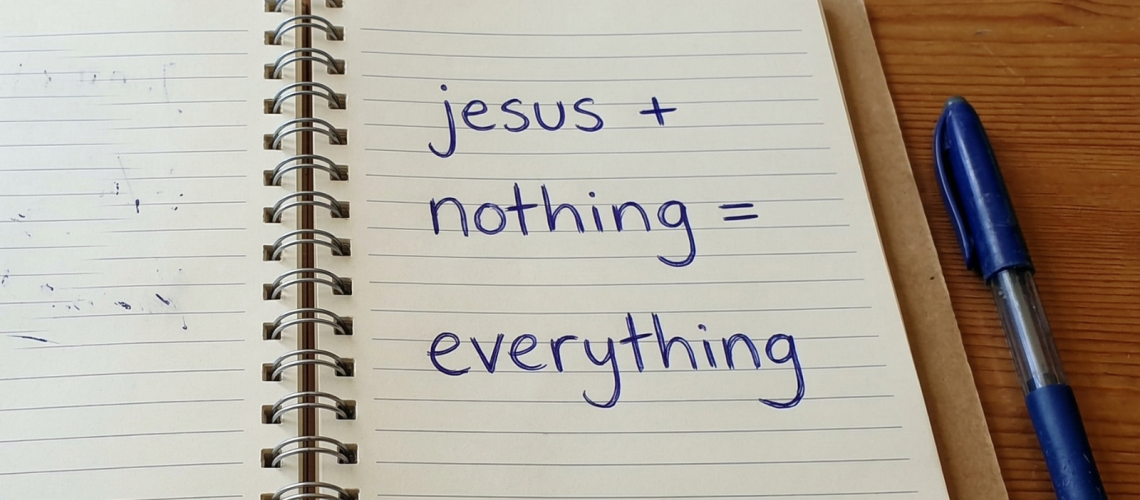
The gospel message can be summarized simply: Jesus plus nothing equals everything. We do not add religious effort to what Christ already completed.
2. Religion Creates Legalism, Jesus Brings Freedom.
Religion often leads to legalism—adding extra rules in an attempt to become more spiritual. Paul warns against human commands like:
“Don’t handle”
“Don’t taste”
“Don’t touch”
These rules may appear wise, but they are man-made attempts to control behavior. Legalism often begins with good intentions. Someone creates personal boundaries to avoid sin. But problems arise when those personal rules are imposed on everyone else. The gospel offers something different: freedom in Christ. A helpful principle is this:
What God condemns is never good.
What God commands is always right.
What God neither commands nor condemns is a matter of conscience and wisdom.
God’s commands are for everyone. Personal convictions are not.
3. Religion Focuses on Behavior, Jesus Changes the Heart.
Religious rules can produce outward conformity, but they cannot transform the human heart. Paul writes that these practices “have no value in stopping sinful desires” (Colossians 2:23). Real change happens when our hearts are transformed by the gospel.
When we reflect on the grace, patience, and sacrifice of Jesus, something deeper begins to happen inside us. Our love for Christ grows, and our desires begin to change. This is why the gospel is not just the starting point of the Christian life—it is the center of it.
The Difference That Changes Everything
Religion is about trying harder. The gospel is about trusting what Jesus has already done. Religion is humanity searching for God. The gospel is God pursuing humanity.
The Bible ultimately points to one person, Jesus Christ. It may not be about us, but it is absolutely for us.
And the more we understand the gospel, the more our lives begin to change from the inside out.
- Am I trusting in what Jesus has done for me, or am I trying to earn God’s approval through my behavior or religious effort?
- Have I created personal rules or preferences that I expect others to follow in order to be considered “spiritual”?
- Is my relationship with God producing real heart change, or am I only focusing on outward behavior and appearances?
Pastor Chris Williams
To learn more about Pastor Chris and his teachings, visit us online at fcfamily.org and be sure to subscribe to receive these weekly encouragements in your inbox.